Why I Never Laugh at a Frightened Witness
Years of reading other people's fright have taught me where my scepticism belongs, and it isn't aimed at the person telling the story.
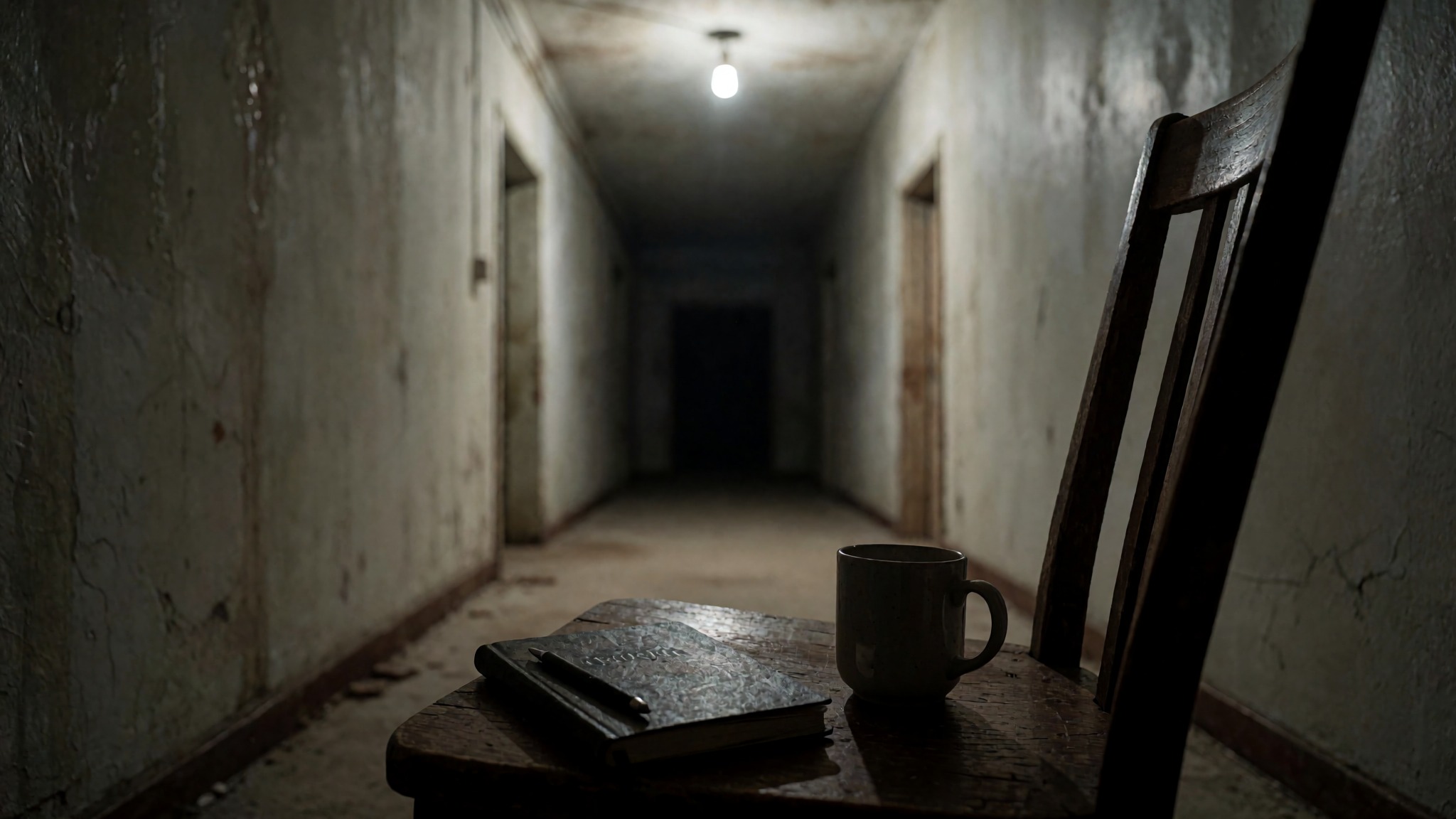
Right, so here’s something I think about more than almost anything else in this job. When somebody sits across from me, or writes to me, or stands in a cold corridor at two in the morning telling me what they just saw, my scepticism switches on. But it’s never aimed at them. It’s aimed at the story.
That’s not a technicality. It’s the whole job, really. I can pull apart a claim, test a date against the record, work out that a “cold spot” was a draught from a badly fitted door, and still believe completely that the person in front of me was genuinely frightened. Those two things aren’t in tension. A story can fall apart under checking while the fear behind it stays entirely real.
What I’m actually checking
When I go back to the record on a case, I’m checking the account, not the account-giver. Did the newspaper really report it that way, or has the story grown a monk, a murder and a date nobody can source in the hundred years since? Does the weather on that night rule out what somebody thought they saw? Is there a reason, financial or otherwise, for the story to have been shaped a certain way by the time it reached me?
None of that is a judgement on the witness. Most people telling me what frightened them aren’t trying to deceive anyone. They’re telling me, often nervously, often half expecting to be laughed at, what it felt like to be alone somewhere and convinced something was wrong. The story might be explained. The fear in the room when they told it to me usually isn’t.
Being doubted is often worse than being frightened
Here’s the bit that took me longer to understand than it should have. For a lot of people, the fright itself isn’t the worst part. The worst part is afterwards, when they tell someone and get a laugh, an eye-roll, or that flat “you probably imagined it” that shuts the conversation down before it’s even started.
I’ve had people tell me they never mentioned what happened to them again after the first time, not because they stopped believing it mattered, but because being disbelieved felt like a second injury on top of the first. That’s not evidence of anything paranormal. It’s just true about people, and it’s worth sitting with. Being checked and being mocked are not the same experience, even though they can look similar from the outside if the person doing the checking isn’t careful.
Where the line actually sits
So this is where I try to keep the line. I will ask hard questions about a story. I will say, plainly, “that’s not evidence” when it isn’t. I will point out, where it’s true, that an account has clearly grown in the telling by the time it reached me, a detail added here, a date softened there, the way these things do over years of retelling. All of that is fair game, and it’s the actual work.
What I won’t do is make someone feel small for having been scared, or for telling someone about it afterwards. Those are different targets entirely. A witness who got the facts wrong isn’t a fool. Someone who was genuinely frightened in their own home, whatever eventually explains it, isn’t exaggerating for attention. Dismissing people like that doesn’t make anyone a better investigator. It just makes the next person less likely to ever mention what happened to them, to me or to anyone else.
Why this matters beyond the cases
I think about this most around the quieter weeks, not the dramatic ones. It’s not really about ghosts at all, in the end. It’s about what happens when someone works up the nerve to say “this frightened me” and the room’s first reaction is to laugh. That costs something, every time, whether or not there was ever anything paranormal involved.
So my scepticism stays exactly where it belongs: on the claim, the timeline, the source, the record. Never on the person who was frightened enough to go looking for an answer in the first place. That distinction is the whole job, as far as I’m concerned, and it’s the one I’d want applied to me too.
More when I have it.